Hip

Exploring Yoga Dandasana: Deep Hip Mobility and Inner Balance

Hip

Exploring Yoga Dandasana: Deep Hip Mobility and Inner Balance

Hip

Exploring Yoga Dandasana: Deep Hip Mobility and Inner Balance

1. Introduction: The Asana at a Glance

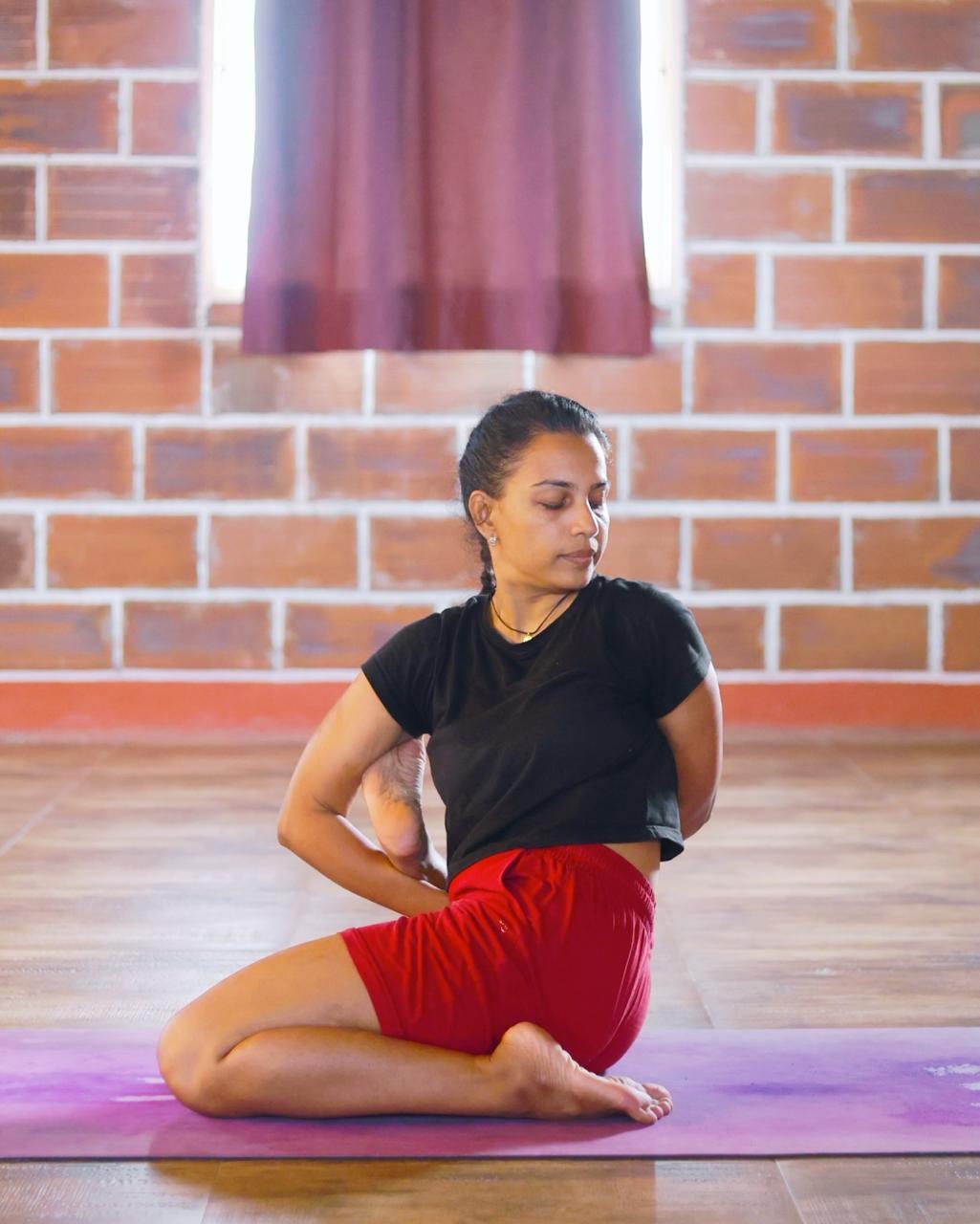
Yoga Dandasana often catches the eye because it asks the body to twist and fold in ways we rarely experience in modern daily life. At first look, placing a foot under or near the armpit seems like an unusual puzzle. Yet, when we break it down, it is a fascinating meeting point of hip mobility, spinal rotation, and quiet focus.

This posture brings mobility, stability, coordination, breath, and awareness together into one steady shape. You are not forcing a limb into place. Instead, you are opening a calm conversation between your joints and your breath.

2. What Does Yoga Dandasana Require?

To explore this shape safely, several body regions need to work together in harmony:

  • Deep external rotation of the hip joint.

  • Deep flexion in the knee and healt

    hy ankle mobility.

  • Controlled rotation through the middle and upper spine.

  • Openness through the chest as the arms move behind the body or support the torso.

Remember that your body functions as a single connected system. Never force the foot into position if the hips or knees resist.

3. Preparatory Asanas

Baddha Konasana

Bound Angle Pose opens the inner thighs and helps release tightness around the hips. It builds the foundational external hip rotation needed long before you attempt to raise the foot higher.

Moola Bandhasana

Root Lock Pose creates deep flexibility in the ankles, feet, and knees while cultivating pelvic floor stability. It prepares the lower joints for the deep folds required in advanced seated shapes.

Hindolasana

Cradle Pose lets you gently explore hip rotation while keeping the leg supported. Cradling the lower leg like a baby gives you immediate feedback about your knee and hip boundaries.

4. Why Is It Called Yoga Dandasana?

In Sanskrit, danda means staff and asana means posture. Historically, wandering yogis carried a wooden T-shaped stick called a yoga danda. They rested an armpit on this staff during long meditation sessions to balance their breath.

In traditional yogic understanding, resting the foot or a staff beneath the armpit encourages breath to flow through the opposite nostril. We view this as a traditional energetic practice rather than a proven medical fact, but it highlights how ancient practitioners used body positioning to influence internal awareness.
5. From Physical Practice to Inner Awareness

Moving into Yoga Dandasana requires complete presence. As you turn and fold, your mind cannot wander. You must stay attentive to every micro-adjustment.

This close attention connects us directly to Sage Patanjali's definition of asana - "Sthira Sukham Āsanam", the ancient principle that a posture should be steady and comfortable. What begins as a physical exploration of the hips, knees, ankles, shoulders and spine gradually becomes an opportunity to observe something subtler:

Where do you feel tension rising as you turn?
Can you soften your jaw and eyes in this shape?
Is your breath steady, or are you holding it?

6. Benefits

  • May support deep hip flexibility and joint mobility.

  • Can help develop rotational range in the spine.

  • May strengthen awareness of breath and body symmetry.

  • Supports focus and mental steadiness during practice.

7. Safety and Awareness

Because this pose involves deep knee flexion and hip rotation, approach it with care. If you have active knee, hip, or lower back injuries, avoid this posture or work with modified preparatory poses. Pregnant practitioners should refrain from deep spinal twists and pelvic compression. Always practice within your comfort range and learn with a qualified teacher.

8. Closing Lines

Yoga Dandasana is not about forcing your body into a decorative knot. It is a quiet study in patience, breath, and structural awareness. Work gently, respect your current boundaries, and let every movement bring you closer to inner stillness.

1. Introduction: The Asana at a Glance

Yoga Dandasana often catches the eye because it asks the body to twist and fold in ways we rarely experience in modern daily life. At first look, placing a foot under or near the armpit seems like an unusual puzzle. Yet, when we break it down, it is a fascinating meeting point of hip mobility, spinal rotation, and quiet focus.

This posture brings mobility, stability, coordination, breath, and awareness together into one steady shape. You are not forcing a limb into place. Instead, you are opening a calm conversation between your joints and your breath.

2. What Does Yoga Dandasana Require?

To explore this shape safely, several body regions need to work together in harmony:

  • Deep external rotation of the hip joint.

  • Deep flexion in the knee and healt

    hy ankle mobility.

  • Controlled rotation through the middle and upper spine.

  • Openness through the chest as the arms move behind the body or support the torso.

Remember that your body functions as a single connected system. Never force the foot into position if the hips or knees resist.

3. Preparatory Asanas

Baddha Konasana

Bound Angle Pose opens the inner thighs and helps release tightness around the hips. It builds the foundational external hip rotation needed long before you attempt to raise the foot higher.

Moola Bandhasana

Root Lock Pose creates deep flexibility in the ankles, feet, and knees while cultivating pelvic floor stability. It prepares the lower joints for the deep folds required in advanced seated shapes.

Hindolasana

Cradle Pose lets you gently explore hip rotation while keeping the leg supported. Cradling the lower leg like a baby gives you immediate feedback about your knee and hip boundaries.

4. Why Is It Called Yoga Dandasana?

In Sanskrit, danda means staff and asana means posture. Historically, wandering yogis carried a wooden T-shaped stick called a yoga danda. They rested an armpit on this staff during long meditation sessions to balance their breath.

In traditional yogic understanding, resting the foot or a staff beneath the armpit encourages breath to flow through the opposite nostril. We view this as a traditional energetic practice rather than a proven medical fact, but it highlights how ancient practitioners used body positioning to influence internal awareness.

5. From Physical Practice to Inner Awareness

Moving into Yoga Dandasana requires complete presence. As you turn and fold, your mind cannot wander. You must stay attentive to every micro-adjustment.

This close attention connects us directly to Sage Patanjali's definition of asana - "Sthira Sukham Āsanam", the ancient principle that a posture should be steady and comfortable. What begins as a physical exploration of the hips, knees, ankles, shoulders and spine gradually becomes an opportunity to observe something subtler:

Where do you feel tension rising as you turn?
Can you soften your jaw and eyes in this shape?
Is your breath steady, or are you holding it?

6. Benefits

  • May support deep hip flexibility and joint mobility.

  • Can help develop rotational range in the spine.

  • May strengthen awareness of breath and body symmetry.

  • Supports focus and mental steadiness during practice.

7. Safety and Awareness

Because this pose involves deep knee flexion and hip rotation, approach it with care. If you have active knee, hip, or lower back injuries, avoid this posture or work with modified preparatory poses. Pregnant practitioners should refrain from deep spinal twists and pelvic compression. Always practice within your comfort range and learn with a qualified teacher.

8. Closing Lines

Yoga Dandasana is not about forcing your body into a decorative knot. It is a quiet study in patience, breath, and structural awareness. Work gently, respect your current boundaries, and let every movement bring you closer to inner stillness.

1. Introduction: The Asana at a Glance

Yoga Dandasana often catches the eye because it asks the body to twist and fold in ways we rarely experience in modern daily life. At first look, placing a foot under or near the armpit seems like an unusual puzzle. Yet, when we break it down, it is a fascinating meeting point of hip mobility, spinal rotation, and quiet focus.

This posture brings mobility, stability, coordination, breath, and awareness together into one steady shape. You are not forcing a limb into place. Instead, you are opening a calm conversation between your joints and your breath.

2. What Does Yoga Dandasana Require?

To explore this shape safely, several body regions need to work together in harmony:

  • Deep external rotation of the hip joint.

  • Deep flexion in the knee and healt

    hy ankle mobility.

  • Controlled rotation through the middle and upper spine.

  • Openness through the chest as the arms move behind the body or support the torso.

Remember that your body functions as a single connected system. Never force the foot into position if the hips or knees resist.

3. Preparatory Asanas

Baddha Konasana

Bound Angle Pose opens the inner thighs and helps release tightness around the hips. It builds the foundational external hip rotation needed long before you attempt to raise the foot higher.

Moola Bandhasana

Root Lock Pose creates deep flexibility in the ankles, feet, and knees while cultivating pelvic floor stability. It prepares the lower joints for the deep folds required in advanced seated shapes.

Hindolasana

Cradle Pose lets you gently explore hip rotation while keeping the leg supported. Cradling the lower leg like a baby gives you immediate feedback about your knee and hip boundaries.

4. Why Is It Called Yoga Dandasana?

In Sanskrit, danda means staff and asana means posture. Historically, wandering yogis carried a wooden T-shaped stick called a yoga danda. They rested an armpit on this staff during long meditation sessions to balance their breath.

In traditional yogic understanding, resting the foot or a staff beneath the armpit encourages breath to flow through the opposite nostril. We view this as a traditional energetic practice rather than a proven medical fact, but it highlights how ancient practitioners used body positioning to influence internal awareness.

5. From Physical Practice to Inner Awareness

Moving into Yoga Dandasana requires complete presence. As you turn and fold, your mind cannot wander. You must stay attentive to every micro-adjustment.

This close attention connects us directly to Sage Patanjali's definition of asana - "Sthira Sukham Āsanam", the ancient principle that a posture should be steady and comfortable. What begins as a physical exploration of the hips, knees, ankles, shoulders and spine gradually becomes an opportunity to observe something subtler:

Where do you feel tension rising as you turn?
Can you soften your jaw and eyes in this shape?
Is your breath steady, or are you holding it?

6. Benefits

  • May support deep hip flexibility and joint mobility.

  • Can help develop rotational range in the spine.

  • May strengthen awareness of breath and body symmetry.

  • Supports focus and mental steadiness during practice.

7. Safety and Awareness

Because this pose involves deep knee flexion and hip rotation, approach it with care. If you have active knee, hip, or lower back injuries, avoid this posture or work with modified preparatory poses. Pregnant practitioners should refrain from deep spinal twists and pelvic compression. Always practice within your comfort range and learn with a qualified teacher.

8. Closing Lines

Yoga Dandasana is not about forcing your body into a decorative knot. It is a quiet study in patience, breath, and structural awareness. Work gently, respect your current boundaries, and let every movement bring you closer to inner stillness.