Inversions

Pincha Mayurasana: Building Strength, Balance, and Inner Confidence

Inversions

Pincha Mayurasana: Building Strength, Balance, and Inner Confidence

Inversions

Pincha Mayurasana: Building Strength, Balance, and Inner Confidence

1. Introduction: The Asana at a Glance

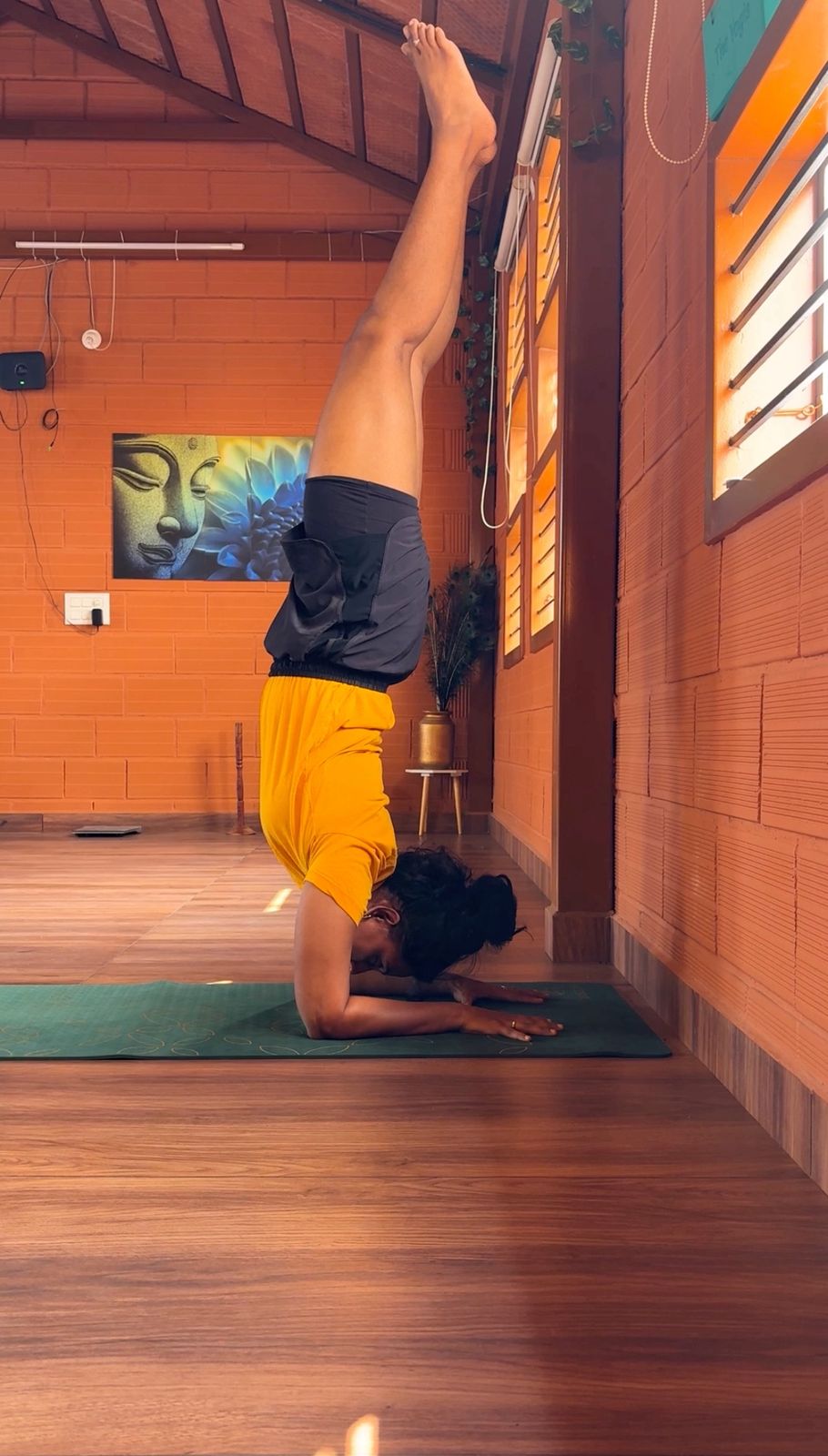
Pincha Mayurasana, commonly called Forearm Stand, is an inversion that asks us to rise with both strength and sensitivity. From the outside, it can look like a dramatic balancing pose. In practice, it is a careful conversation between the forearms, shoulders, ribs, pelvis, legs, breath, and attention.

The purpose is not simply to lift the feet away from the floor. The deeper practice is to create a stable foundation, organize the body above it, and remain calm while your relationship to gravity changes.
2. What Does Pincha Mayurasana Require?

A steady Forearm Stand depends on several areas working together:

  • Stable shoulders that can press firmly away from the floor.

  • Strength through the upper back, arms, and forearms.

  • Core awareness to keep the ribs and pelvis connected.

  • Hamstring mobility and hip control for a light, controlled entry.

When the shoulders collapse or the ribs flare forward, balance becomes much harder. Build the foundation first and let height arrive gradually.

3. Preparatory Asanas

Dolphin Pose

Dolphin Pose teaches the forearms to root while the shoulders lift away from the ears. Walk the feet closer only while you can maintain length through the spine and steady pressure through both forearms.

Forearm Plank

Forearm Plank develops the shoulder and abdominal strength needed to prevent the lower back from carrying the entire pose. Practice drawing the front ribs inward while reaching strongly through the heels.

Half Pincha at the Wall

Place the feet on a wall at approximately hip height and stack the hips over the shoulders. This supported shape helps you experience the vertical line of the pose without kicking or placing the full demand on balance.

4. Why Is It Called Pincha Mayurasana?

In Sanskrit, pincha refers to a feather or feathered tail, mayura means peacock, and asana means posture. The lifted legs and open line of the body are traditionally associated with the elegance of a peacock displaying its feathers.

The name reminds us that the pose is not only about muscular effort. A balanced Pincha Mayurasana also contains lightness, length, and a sense of spaciousness through the whole body.
A yoga practitioner building shoulder mobility and back-body strength on a mat

5. From Physical Strength to Inner Confidence

Going upside down often brings hesitation to the surface. The mind may rush ahead, imagine a fall, or demand immediate success. Pincha Mayurasana gives us a practical place to meet these reactions with patience.

Instead of measuring progress only by whether the feet reach the wall, notice the quality of your preparation. Can you keep breathing while one leg lifts? Can you press evenly through both forearms? Can you come down with the same control you used to rise?

Are your elbows staying rooted beneath the shoulders?
Can the breath remain smooth as the hips move upward?
Can effort and ease exist together in the same moment?

6. Benefits

  • May build strength in the shoulders, arms, upper back, and core.

  • Can improve balance, proprioception, and whole-body coordination.

  • May encourage focused breathing and steadiness under challenge.

  • Supports patience and confidence through gradual, skillful practice.

7. Safety and Awareness

Because this pose places significant demand on the shoulders, elbows, wrists, neck, and cardiovascular system, approach it carefully. Avoid or modify the posture if you have an active shoulder, elbow, wrist, neck, or back injury, uncontrolled high blood pressure, glaucoma, or concerns related to inversion practice. Learn near a wall and with a qualified teacher before exploring the centre of the room.

8. Closing Lines

Pincha Mayurasana is not a test of courage or a pose to conquer quickly. It is a patient study of foundation, alignment, breath, and trust. Practise the smaller actions with care, celebrate steady progress, and allow confidence to grow from attention rather than force.

1. Introduction: The Asana at a Glance

Pincha Mayurasana, commonly called Forearm Stand, is an inversion that asks us to rise with both strength and sensitivity. From the outside, it can look like a dramatic balancing pose. In practice, it is a careful conversation between the forearms, shoulders, ribs, pelvis, legs, breath, and attention.

The purpose is not simply to lift the feet away from the floor. The deeper practice is to create a stable foundation, organize the body above it, and remain calm while your relationship to gravity changes.

2. What Does Pincha Mayurasana Require?

A steady Forearm Stand depends on several areas working together:

  • Stable shoulders that can press firmly away from the floor.

  • Strength through the upper back, arms, and forearms.

  • Core awareness to keep the ribs and pelvis connected.

  • Hamstring mobility and hip control for a light, controlled entry.

When the shoulders collapse or the ribs flare forward, balance becomes much harder. Build the foundation first and let height arrive gradually.

3. Preparatory Asanas

Dolphin Pose

Dolphin Pose teaches the forearms to root while the shoulders lift away from the ears. Walk the feet closer only while you can maintain length through the spine and steady pressure through both forearms.

Forearm Plank

Forearm Plank develops the shoulder and abdominal strength needed to prevent the lower back from carrying the entire pose. Practice drawing the front ribs inward while reaching strongly through the heels.

Half Pincha at the Wall

Place the feet on a wall at approximately hip height and stack the hips over the shoulders. This supported shape helps you experience the vertical line of the pose without kicking or placing the full demand on balance.

4. Why Is It Called Pincha Mayurasana?

In Sanskrit, pincha refers to a feather or feathered tail, mayura means peacock, and asana means posture. The lifted legs and open line of the body are traditionally associated with the elegance of a peacock displaying its feathers.

The name reminds us that the pose is not only about muscular effort. A balanced Pincha Mayurasana also contains lightness, length, and a sense of spaciousness through the whole body.

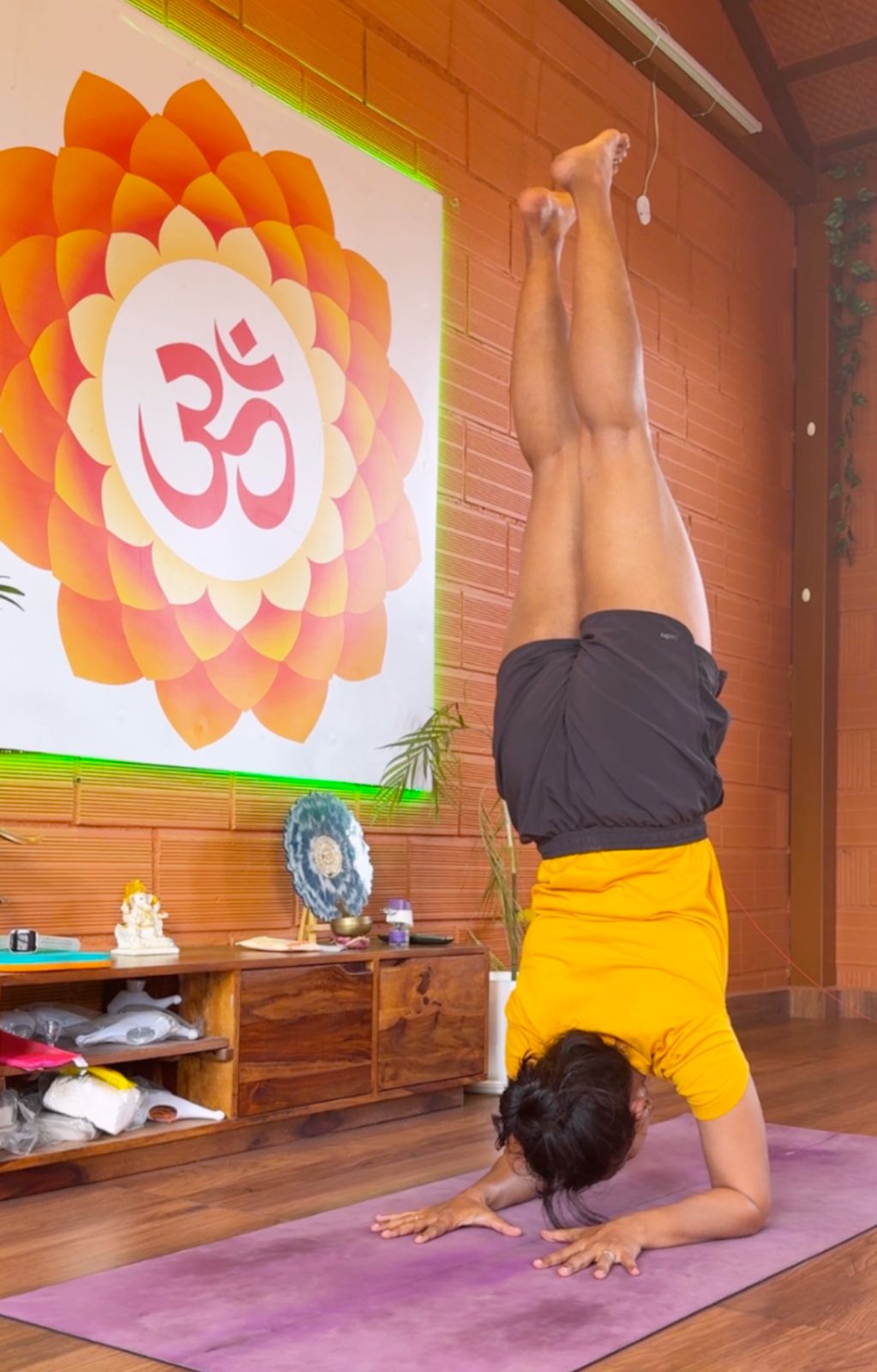
A yoga practitioner building shoulder mobility and back-body strength on a mat

5. From Physical Strength to Inner Confidence

Going upside down often brings hesitation to the surface. The mind may rush ahead, imagine a fall, or demand immediate success. Pincha Mayurasana gives us a practical place to meet these reactions with patience.

Instead of measuring progress only by whether the feet reach the wall, notice the quality of your preparation. Can you keep breathing while one leg lifts? Can you press evenly through both forearms? Can you come down with the same control you used to rise?

Are your elbows staying rooted beneath the shoulders?
Can the breath remain smooth as the hips move upward?
Can effort and ease exist together in the same moment?

6. Benefits

  • May build strength in the shoulders, arms, upper back, and core.

  • Can improve balance, proprioception, and whole-body coordination.

  • May encourage focused breathing and steadiness under challenge.

  • Supports patience and confidence through gradual, skillful practice.

7. Safety and Awareness

Because this pose places significant demand on the shoulders, elbows, wrists, neck, and cardiovascular system, approach it carefully. Avoid or modify the posture if you have an active shoulder, elbow, wrist, neck, or back injury, uncontrolled high blood pressure, glaucoma, or concerns related to inversion practice. Learn near a wall and with a qualified teacher before exploring the centre of the room.

8. Closing Lines

Pincha Mayurasana is not a test of courage or a pose to conquer quickly. It is a patient study of foundation, alignment, breath, and trust. Practise the smaller actions with care, celebrate steady progress, and allow confidence to grow from attention rather than force.
1. Introduction: The Asana at a Glance

Pincha Mayurasana, commonly called Forearm Stand, is an inversion that asks us to rise with both strength and sensitivity. From the outside, it can look like a dramatic balancing pose. In practice, it is a careful conversation between the forearms, shoulders, ribs, pelvis, legs, breath, and attention.

The purpose is not simply to lift the feet away from the floor. The deeper practice is to create a stable foundation, organize the body above it, and remain calm while your relationship to gravity changes.

2. What Does Pincha Mayurasana Require?

A steady Forearm Stand depends on several areas working together:

  • Stable shoulders that can press firmly away from the floor.

  • Strength through the upper back, arms, and forearms.

  • Core awareness to keep the ribs and pelvis connected.

  • Hamstring mobility and hip control for a light, controlled entry.

When the shoulders collapse or the ribs flare forward, balance becomes much harder. Build the foundation first and let height arrive gradually.

3. Preparatory Asanas

Dolphin Pose

Dolphin Pose teaches the forearms to root while the shoulders lift away from the ears. Walk the feet closer only while you can maintain length through the spine and steady pressure through both forearms.

Forearm Plank

Forearm Plank develops the shoulder and abdominal strength needed to prevent the lower back from carrying the entire pose. Practice drawing the front ribs inward while reaching strongly through the heels.

Half Pincha at the Wall

Place the feet on a wall at approximately hip height and stack the hips over the shoulders. This supported shape helps you experience the vertical line of the pose without kicking or placing the full demand on balance.

4. Why Is It Called Pincha Mayurasana?

In Sanskrit, pincha refers to a feather or feathered tail, mayura means peacock, and asana means posture. The lifted legs and open line of the body are traditionally associated with the elegance of a peacock displaying its feathers.

The name reminds us that the pose is not only about muscular effort. A balanced Pincha Mayurasana also contains lightness, length, and a sense of spaciousness through the whole body.

A yoga practitioner building shoulder mobility and back-body strength on a mat

5. From Physical Strength to Inner Confidence

Going upside down often brings hesitation to the surface. The mind may rush ahead, imagine a fall, or demand immediate success. Pincha Mayurasana gives us a practical place to meet these reactions with patience.

Instead of measuring progress only by whether the feet reach the wall, notice the quality of your preparation. Can you keep breathing while one leg lifts? Can you press evenly through both forearms? Can you come down with the same control you used to rise?

Are your elbows staying rooted beneath the shoulders?
Can the breath remain smooth as the hips move upward?
Can effort and ease exist together in the same moment?

6. Benefits

  • May build strength in the shoulders, arms, upper back, and core.

  • Can improve balance, proprioception, and whole-body coordination.

  • May encourage focused breathing and steadiness under challenge.

  • Supports patience and confidence through gradual, skillful practice.

7. Safety and Awareness

Because this pose places significant demand on the shoulders, elbows, wrists, neck, and cardiovascular system, approach it carefully. Avoid or modify the posture if you have an active shoulder, elbow, wrist, neck, or back injury, uncontrolled high blood pressure, glaucoma, or concerns related to inversion practice. Learn near a wall and with a qualified teacher before exploring the centre of the room.

8. Closing Lines

Pincha Mayurasana is not a test of courage or a pose to conquer quickly. It is a patient study of foundation, alignment, breath, and trust. Practise the smaller actions with care, celebrate steady progress, and allow confidence to grow from attention rather than force.